

When it comes to traditional Italian cuisine, few dishes stand out as much as tortellini. These small, ring-shaped pasta pockets, filled with delicious fillings such as cheese, meat, or vegetables, are a true culinary delight. The process of making tortellini, however, can be incredibly time-consuming and requires a great deal of skill. This is where the tortellinatrice comes in, revolutionizing the way tortellini are produced by combining automation with craftsmanship.
In this article, we will explore what a tortellinatrice is, how it works, and why it is transforming the art of pasta making while preserving the authenticity of this beloved Italian dish.
What is a Tortellinatrice?
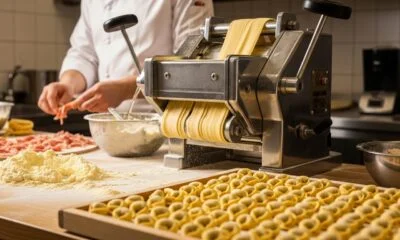
A tortellinatrice is a specialized pasta-making machine designed to produce tortellini at scale. The word “tortellinatrice” is derived from the Italian word “tortellini,” which refers to the pasta, and “atrice,” which signifies a machine. The tortellinatrice automates several steps of the traditional tortellini-making process, from rolling the dough to filling and sealing the pasta, ultimately creating uniform, perfectly shaped tortellini.
While hand-making tortellini can be a meticulous process that requires experience and precision, the tortellinatrice provides an efficient way to produce high-quality tortellini without compromising on the traditional shape and texture that defines this Italian staple.
How Does the Tortellinatrice Work?
The tortellinatrice operates through a series of automated steps that closely resemble the traditional handcrafting process. Here’s how it works:
- Dough Preparation and Rolling
The first step in the tortellinatrice process involves preparing the pasta dough, just as one would when making tortellini by hand. Once the dough is ready, it is fed into the machine, which rolls it out into thin, uniform sheets, ready for the next step. - Filling Distribution
One of the key features of the tortellinatrice is its ability to distribute filling evenly across the dough sheets. Whether the filling is cheese, meat, or a vegetarian option, the machine ensures that each tortellini will contain the same amount of filling, which helps maintain consistency across large batches. - Shaping and Sealing
The tortellinatrice then folds the dough around the filling, sealing it in the traditional ring shape that tortellini are known for. This step is crucial, as the sealing ensures that the pasta won’t open while cooking. The machine uses precision and mechanical folding techniques to replicate the traditional hand-folding process. - Cutting and Separating
Once the tortellini are shaped, the tortellinatrice uses a cutter to separate each piece, ensuring that all the tortellini are uniform in size. This cutting mechanism helps create consistent shapes that will cook evenly when boiled.
The result is a batch of freshly made tortellini, ready to be cooked, packaged, or stored for later use.
Advantages of Using a Tortellinatrice
The use of a tortellinatrice brings several advantages to both professional kitchens and pasta producers. Here are some of the key benefits:
1. Consistency and Precision
One of the most significant advantages of using a tortellinatrice is the consistency it provides. Hand-making tortellini can result in varying sizes and shapes, which can affect cooking times and presentation. The tortellinatrice ensures that every tortellini is uniform, both in size and shape, leading to a more consistent final product.
2. Increased Efficiency
Making tortellini by hand is a time-consuming process, especially for large batches. A tortellinatrice can produce a much higher volume of tortellini in a shorter period of time, allowing restaurants and pasta manufacturers to meet high demand while maintaining quality.
3. Reduced Labor Intensity
For professional pasta makers, the tortellinatrice significantly reduces the labor required to produce tortellini. While skilled workers are still needed to manage the machine and prepare the dough and filling, the automation of folding, sealing, and cutting takes much of the physical effort out of the process.
4. Versatility
Some tortellinatrice models can handle different types of pasta, allowing for greater versatility in the kitchen. In addition to making tortellini, these machines can often be adjusted to make other stuffed pasta types, such as ravioli or cappelletti.
The Impact of the Tortellinatrice on Traditional Pasta Making
While the tortellinatrice is a modern tool, it does not replace the tradition of tortellini making; rather, it complements it. Traditional tortellini-making remains a cherished practice in Italy, especially in family kitchens where the hand-folding process is passed down through generations. However, the tortellinatrice allows chefs and manufacturers to meet the demands of mass production without compromising the authenticity of the dish.
The rise of the tortellinatrice has made tortellini more accessible to people who might not have the time or skill to make them by hand. For home cooks, some smaller, manual versions of the tortellinatrice allow individuals to make tortellini at home without spending hours on the traditional process.
At the same time, the tortellinatrice has introduced a level of precision that can improve the quality of commercially produced tortellini, ensuring that each piece meets the same high standard of craftsmanship.
The Future of Tortellinatrice Machines
As technology continues to advance, so too will the capabilities of the tortellinatrice. Future innovations may include further automation, enhanced customization options, and even improvements in the materials used to make the machines. With increasing demand for high-quality pasta, especially in the foodservice and manufacturing sectors, the tortellinatrice will likely play a key role in the future of pasta production.
Additionally, as people continue to seek convenience without sacrificing authenticity, the home-use version of the tortellinatrice may gain popularity. Small, user-friendly models could make it possible for anyone to enjoy fresh, handmade-style tortellini in the comfort of their own kitchen, all with the help of modern technology.
Conclusion
The tortellinatrice is a true innovation in the world of pasta making, combining the rich traditions of Italian cuisine with modern automation. Whether in a professional kitchen or a home setting, this machine helps make the process of creating tortellini more efficient, precise, and accessible. While it doesn’t replace the artistry and skill of traditional tortellini-making, it enhances the experience by ensuring consistency and saving time.
For anyone involved in pasta production — from artisanal pasta makers to home cooks — the tortellinatrice is a valuable tool that brings the deliciousness of tortellini to the table faster and with greater precision. It’s a perfect example of how modern technology can preserve and elevate the best of traditional cooking methods.
FAQs About Tortellinatrice
1. What is a tortellinatrice?
A tortellinatrice is a machine designed to automate the process of making tortellini, including rolling the dough, adding the filling, sealing the pasta, and cutting it into uniform shapes.
2. Can a tortellinatrice be used to make other types of pasta?
Yes, some models of tortellinatrice are versatile enough to make other stuffed pasta types, such as ravioli or cappelletti, in addition to tortellini.
3. How does a tortellinatrice improve the pasta-making process?
A tortellinatrice improves efficiency by automating the folding, sealing, and cutting of tortellini, reducing labor and ensuring consistent quality in each piece of pasta.
4. Is the tortellinatrice suitable for home use?
Yes, smaller, manual versions of the tortellinatrice are available for home cooks who want to make fresh tortellini at home without spending too much time on the traditional handcrafting process.
5. Does the tortellinatrice replace traditional tortellini-making?
No, the tortellinatrice complements traditional methods by allowing for mass production or home use while maintaining the authentic shape and texture of tortellini.